 mamies recipes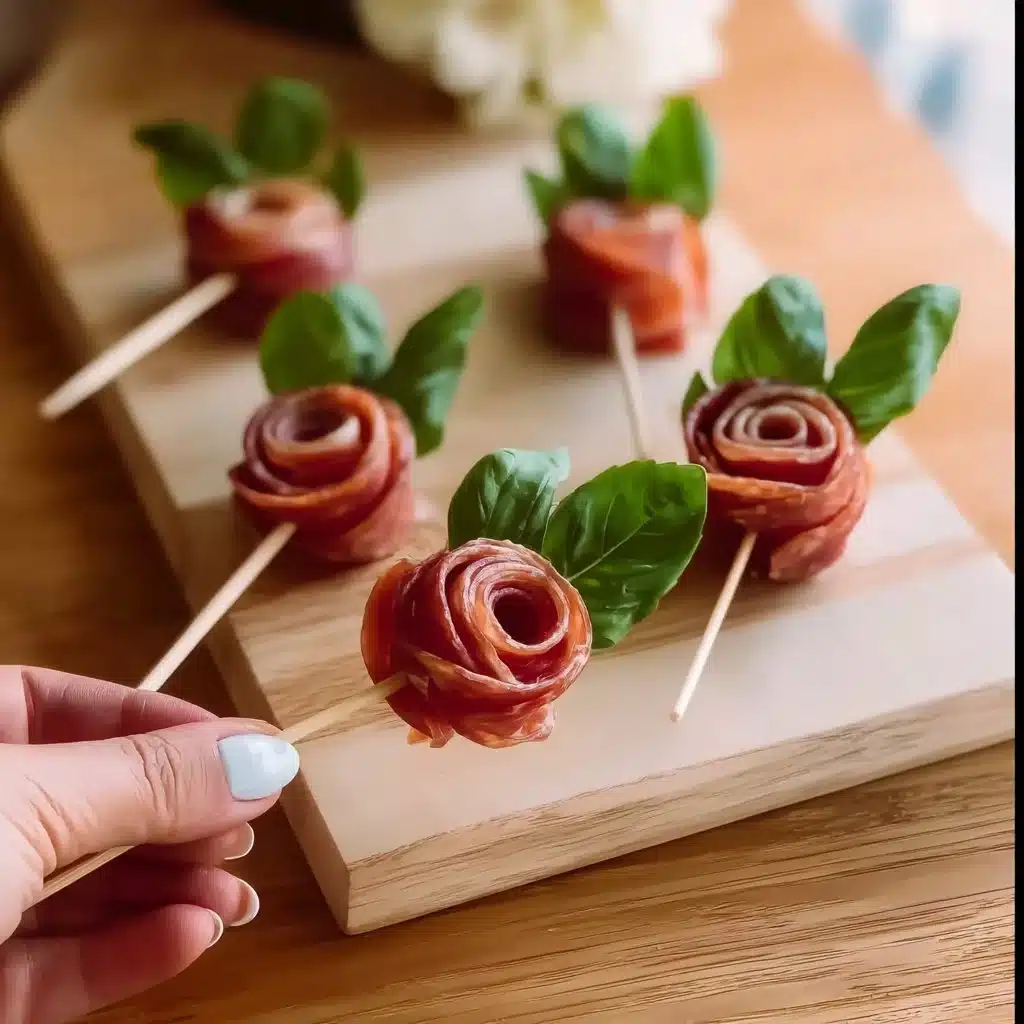
introduction
My name is Amilie Bourgoie, and I am passionate about creating meaningful experiences through creativity, dedication, and authenticity. Welcome to my world — a space shaped by purpose, continuous learning, and a genuine desire to share value with others. What began as a personal interest has grown into a long-term commitment to quality, consistency, and personal growth. Today, I invite you to explore the art of Rose decoration.
Rose decoration involves using rose petals to adorn various dishes and desserts, bringing an elegant touch to your culinary creations. People often search for rose decoration ideas to elevate their meals, celebrate special occasions, or create stunning presentations. In this article, you will learn how to create beautiful rose decorations that not only look stunning but also enhance the flavor of your dishes.
For more recipes, follow me on Facebook and Pinterest.
Table of Contents
Table of Contents
why make this recipe
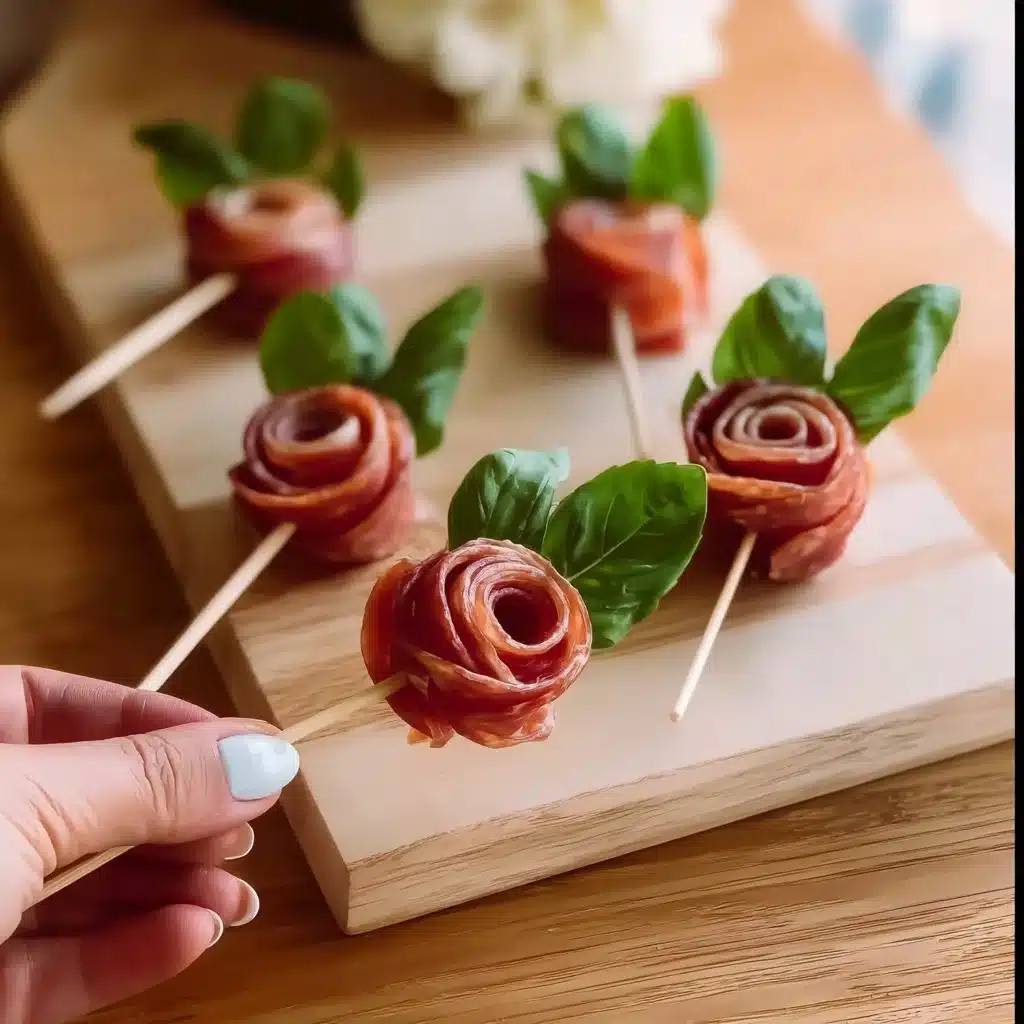
There are many good reasons to explore rose decoration. First, it adds a unique touch that enhances the visual appeal of your dishes. Whether you are preparing for a wedding, anniversary, or simply a dinner party, a rose decoration can create a memorable experience.
The taste of dishes decorated with roses can also surprise and delight your guests. Depending on the type of rose used, the petals can add a subtle floral flavor. Moreover, this decoration process is relatively easy. Even beginners can achieve stunning results with a little practice.
You can use fresh or dried rose petals, making this decoration versatile throughout the year. Impress your friends and family by adding rose decorations to cakes, salads, and even cocktails.
Common user motivations include wanting to enhance their culinary skills or simply to enjoy the beauty that rose decorations bring to their meals. By learning this technique, you can serve dishes that are not only tasty but visually appealing too.
how to make rose decoration
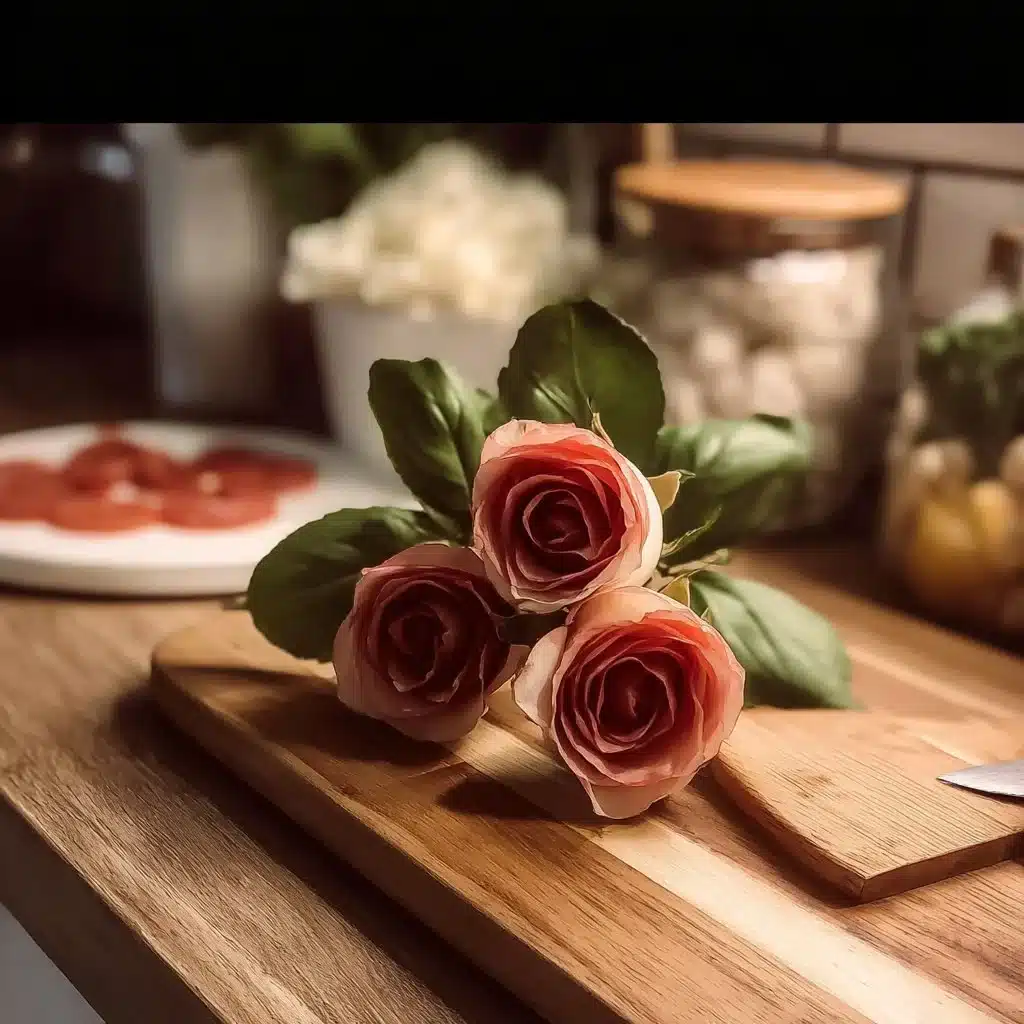
Creating rose decorations is straightforward. Start by selecting fresh roses that are free from pesticides. Organic roses are the best choice for food use. Remove the petals gently, taking care not to tear them. Rinse the petals under cold water to remove any impurities. You might want to dry them on a clean towel before using.
Next, consider how you will incorporate the petals. You can either use them raw or crystallize them. To crystallize rose petals, beat an egg white and gently coat each petal. Then, sprinkle fine sugar over them. Leave the petals to dry for several hours or overnight. This method will give your petals a glossy appearance while adding a sweet crunch.
When using fresh petals, ensure you create a beautiful arrangement. Choose a base for your decoration — it could be a cake, a fruit salad, or even a cheese platter. Place the petals strategically to enhance the visual flow. Try layering different colors of petals for added depth.
Some common mistakes to avoid include using roses that are not intended for culinary use or skipping the rinsing step. Always taste a petal to check if it has the desired flavor before using it in your dish.
To deepen your understanding of culinary decoration, consider exploring other artistic options from this collection of recipes.
Ingredients
For rose decoration, the ingredients are quite simple yet crucial. Fresh or dried rose petals are the main component. When selecting roses, choose vibrant, fragrant blooms. Any variety will work, but popular choices include damask or tea roses. These varieties tend to have better flavors.
You may also want fine sugar if you choose to crystallize the petals. For colors that pop, use a mixture of red, pink, and white petals. This combination will create a beautiful visual impact.
If you want to swap out ingredients, consider using edible flowers like violets or marigolds. They also add color and flavor without compromising quality.
Always ensure your ingredients are fresh, as this significantly impacts the final presentation and taste.
Directions
To achieve the best results with rose decoration, follow these best practices:
- Select high-quality roses, preferably organic.
- Clean the petals thoroughly to remove any dirt or chemicals.
- Choose the method of decoration that suits your dish. Fresh petals offer a beautiful touch, while crystallized ones add sweetness.
Always remember that the presentation matters just as much as taste. The visual appeal of your dish will engage your guests and make the meal even more memorable.
how to serve rose decoration
Rose decoration is versatile, allowing it to be served with various dishes. You can top a cake with rose petals, adding both beauty and flavor. For salads, use petals as a garnish to elevate the presentation.
Pair rose decorations with light foods. A gentle flavor balance will ensure the petals shine without overwhelming other elements. Consider serving dishes with mild cheeses, creamy dressings, or sweet desserts.
Occasions such as weddings, anniversaries, or special dining events are perfect for showcasing your rose decorations. They create a romantic atmosphere and show thoughtfulness in your meal preparation.
how to store rose decoration
Storing rose decorations requires care to maintain their quality. If you have leftover petals, store them in an airtight container in the refrigerator. This can help keep them fresh for a short time.
For crystallized petals, keep them in a cool, dry place in a sealed jar. They can last for several weeks. However, it’s ideal to use them sooner rather than later for the best flavor and presentation. Always check for any signs of deterioration before using stored decorations.
tips to make rose decoration
To enhance your rose decoration skills, consider these advanced tips:
- Experiment with different types of roses. Each variety has a unique flavor profile that can influence your overall dish.
- Use different sizes and shapes of petals for a more dynamic design.
- Practice your arrangement on a plate before applying petals to your final dish. This method allows you to visualize the presentation.
- Try incorporating other edible flowers for an added burst of color and flavor.
Elevating your culinary decor game requires practice, but the results will surely impress. For more decorative ideas, explore this popular dessert recipe.
variation
There are many ways to customize your rose decorations. Here are a few creative variations:
- Color Mix: Use different colors of rose petals to create a beautiful ombre effect on cakes or pastries.
- Infused Petals: Steep rose petals in syrup to create a flavored sugar you can use in recipes or cocktails.
- Petal Ice Cubes: Freeze rose petals in ice cubes for a visually appealing addition to drinks.
- Candied or Glazed Roses: Similar to crystallizing, but dipped in chocolate or a light glaze for additional flavor.
By varying the presentation, you can keep your culinary creations fresh and exciting.
FAQs
1. Are all roses edible?
Not all roses are safe to eat. Make sure to use roses that are specifically labeled as edible.
2. How do I ensure my roses are pesticide-free?
Purchase organic roses from reputable sources to minimize pesticide exposure.
3. Can I use dried rose petals instead of fresh?
Yes, dried petals can be used as a beautiful garnish, though they may lack some of the flavor freshness of fresh petals.
Conclusion
Rose decoration is a beautiful and versatile way to enhance your culinary presentations. With freshness, creativity, and a bit of practice, anyone can master this elegant art. Not only does it beautify your dishes, but it also adds a touch of flavor. To delve further into the world of floral decorations, you might consider volunteering for a float decoration project, such as the Pasadena Tournament of Roses. If you prefer professional help, you can also check out bonniebraeflowers.com for floral arrangements perfect for any occasion. And for a light-hearted take on fashion, consider exploring the stylish Bondi Rose Decoration Maxi Dress. Create memorable moments with rose decorations and let your creativity bloom.
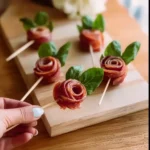
Rose Decoration
- Total Time: 10 minutes
- Yield: Varies based on use
- Diet: Vegetarian
Description
Learn how to create stunning rose decorations to enhance the flavor and visual appeal of your dishes.
Ingredients
- Fresh or dried rose petals
- Fine sugar (for crystallizing)
- Red, pink, and white petals for color
- Edible flowers like violets or marigolds (optional)
Instructions
- Select high-quality organic roses, free from pesticides.
- Remove the petals gently and rinse them under cold water.
- Dry petals on a clean towel if using fresh.
- Decide whether to use petals raw or crystallize them by beating egg white and coating each petal.
- Sprinkle fine sugar over coated petals and leave to dry for several hours or overnight.
- Arrange petals on your chosen dish—cake, fruit salad, or cheese platter—for a beautiful presentation.
Notes
Always taste petals to ensure the desired flavor before using them in your dish.
- Prep Time: 10 minutes
- Cook Time: 0 minutes
- Category: Decoration
- Method: No cooking required
- Cuisine: Culinary Arts
Nutrition
- Serving Size: Varies based on use
- Calories: Estimated depending on amount used
- Sugar: 5g (if using crystallized petals)
- Sodium: 0mg
- Fat: 0g
- Saturated Fat: 0g
- Unsaturated Fat: 0g
- Trans Fat: 0g
- Carbohydrates: 5g (from sugar)
- Fiber: 0g
- Protein: 0g
- Cholesterol: 0mg