 mamies recipes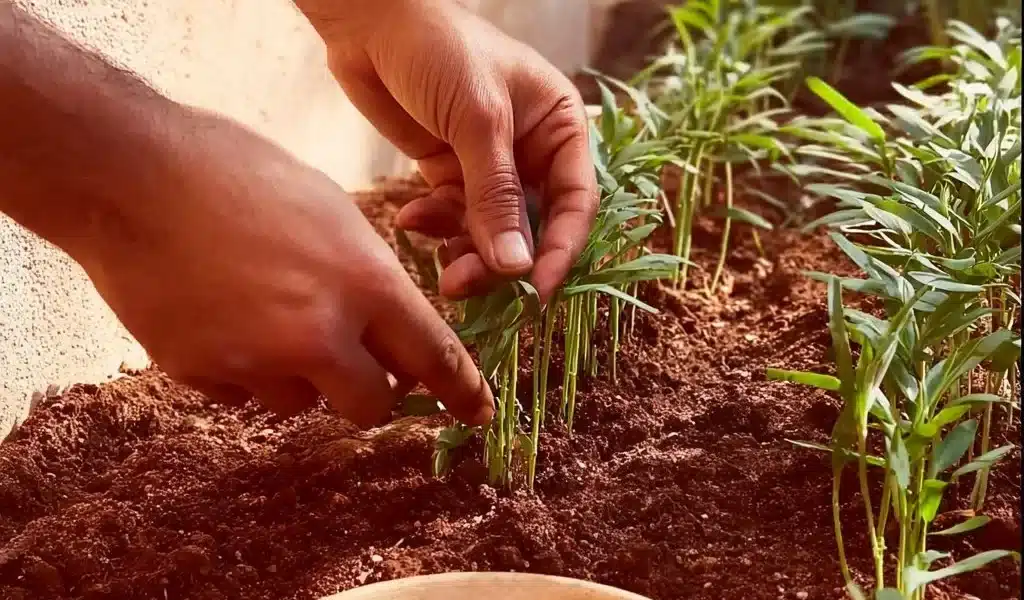
introduction
Love Gardening is one of the best hobbies for improving mental health and creating a beautiful outdoor space.
My name is Amilie Bourgoie, and I am passionate about creating meaningful experiences through creativity, dedication, and authenticity.
Welcome to my world— a space shaped by purpose, continuous learning, and a genuine desire to share value with others. What began as a personal interest has grown into a long-term commitment to quality, consistency, and personal growth.
One aspect of this journey that might resonate with you is the idea of making a rooting agent at home, which is not only a beautiful way to propagate plants but also adds a layer of satisfaction to your gardening experience. You may also find Best Green Bean Casserole From Scratch useful.
Rooting agents help stimulate the growth of roots in cuttings, making it easier for new plants to thrive. As more people seek ways to garden sustainably, understanding how to create a rooting agent at home becomes paramount.
In this guide, you’ll discover various methods, the benefits of using a homemade rooting agent, and tips to enhance your gardening skills.
For more recipes, follow me on Facebook and Pinterest.
You may also find Chef Johns French Meat Pie Tourtiere useful.
Best Homemade Rooting Hormone Methods
Best Homemade Rooting Hormone Methods
Table of Contents
Table of Contents
Benefits of Love Gardening
Creating a rooting agent at home has multiple benefits that cater to both novice and seasoned gardeners. First, it saves money. Instead of purchasing commercial rooting hormones, you can use everyday kitchen items or natural ingredients from your garden.
This ease of access encourages experimentation in plant propagation, allowing anyone to try their hand at rooting cuttings without a financial burden. You may also find Chocolate Covered Cherries Almond Candy useful.
The versatility of homemade rooting agents is another reason to make them. You can customize your ingredients based on what’s available or what works best for your plant types. This flexibility aligns perfectly with the ethos of sustainable gardening.
Additionally, using homemade agents often yields more robust roots that are better adapted to their environment.
By making your own rhomemade rooting agents, you also have more control over what goes into your plants. Commercial options may include synthetic hormones and chemicals, while home methods often utilize organic, natural alternatives.
This not only ensures that your plants grow healthily but also aligns with the growing interest in organic gardening practices.
Best love Gardening Tools
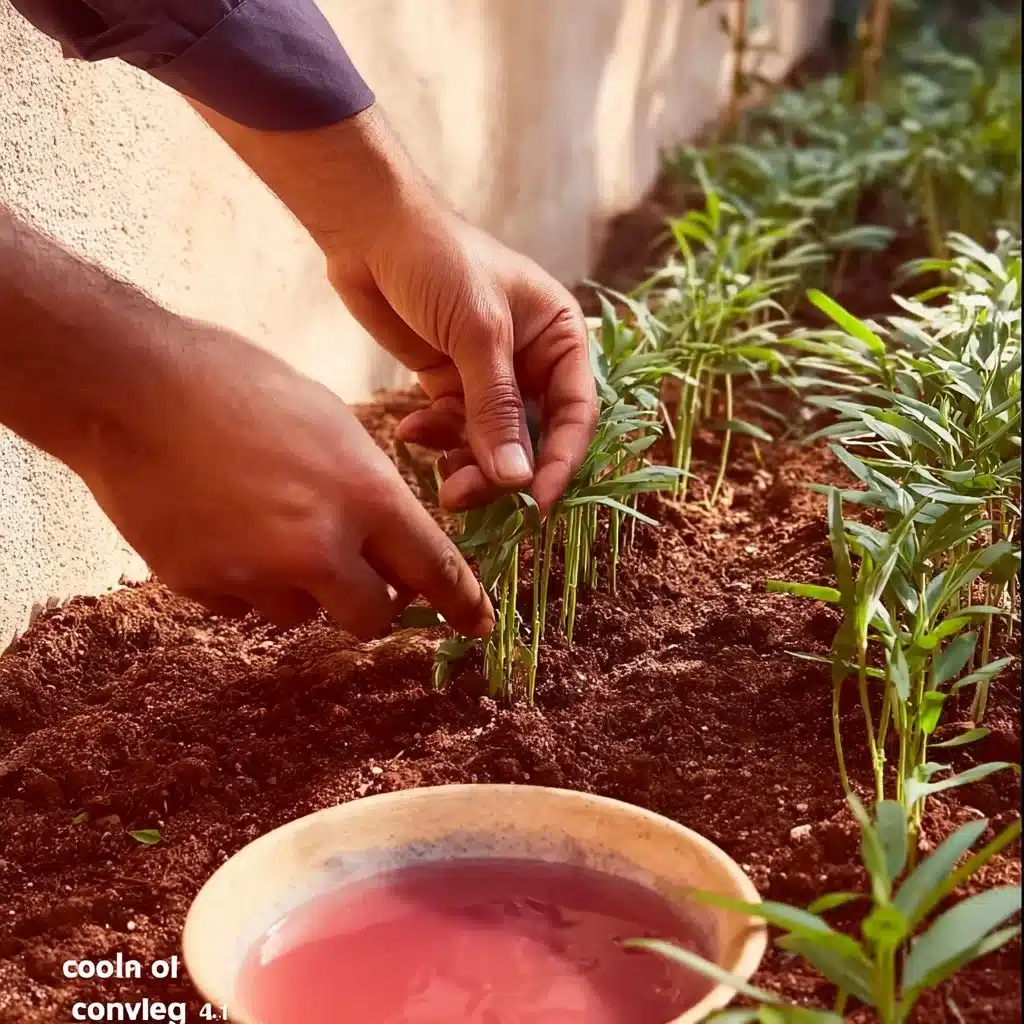
Creating a homemade rooting agents can be as simple as gathering ingredients you likely already have. One common method involves using honey, which has natural antibacterial properties and helps stimulate root growth.
To create this agent, mix two tablespoons of honey with a cup of warm water. Stir until it is well dissolved. This mixture can then be used to soak the cuttings before planting.
Another effective option is using cinnamon. Known for its antifungal properties, it helps prevent diseases while promoting rooting. To use cinnamon as a rooting agent, simply dip the cutting in cinnamon powder before planting it in the soil.
The natural compounds will help spur root growth while keeping the plant healthy.
You can also create a more advanced rooting hormone using willows. Willow branches contain rooting hormones called auxins.
To make this homemade rooting agent, soak willow branches in water for 24 hours. This soak can then be used as a rooting solution for your cuttings.
Each method offers different benefits, and exploring them is part of the joy of gardening.
Love Gardening Tips for Beginners
Best Homemade Rooting Hormone Methods
Ingredients
When making a rooting homemade rooting agents, the quality of your ingredients is key. Using fresh components ensures the best results, and it’s important to consider the properties of each ingredient. Honey provides natural sugars and enzymes that foster growth, while cinnamon offers protection against fungal infections.
If you’re looking to swap ingredients, consider using aloe vera gel as another natural rooting aid. Aloe vera has a high concentration of vitamins and minerals that support growth. Its gel can be applied directly to the cut ends of a plant cutting to enhance rooting success.
Choosing organic ingredients whenever possible can further enhance your rooting agent. Organic materials not only promote healthier plant growth but also align with sustainable gardening practices, allowing your gardening efforts to contribute positively to the environment.
Love Gardening Tips for Beginners
Directions
Best Homemade Rooting Hormone Methods
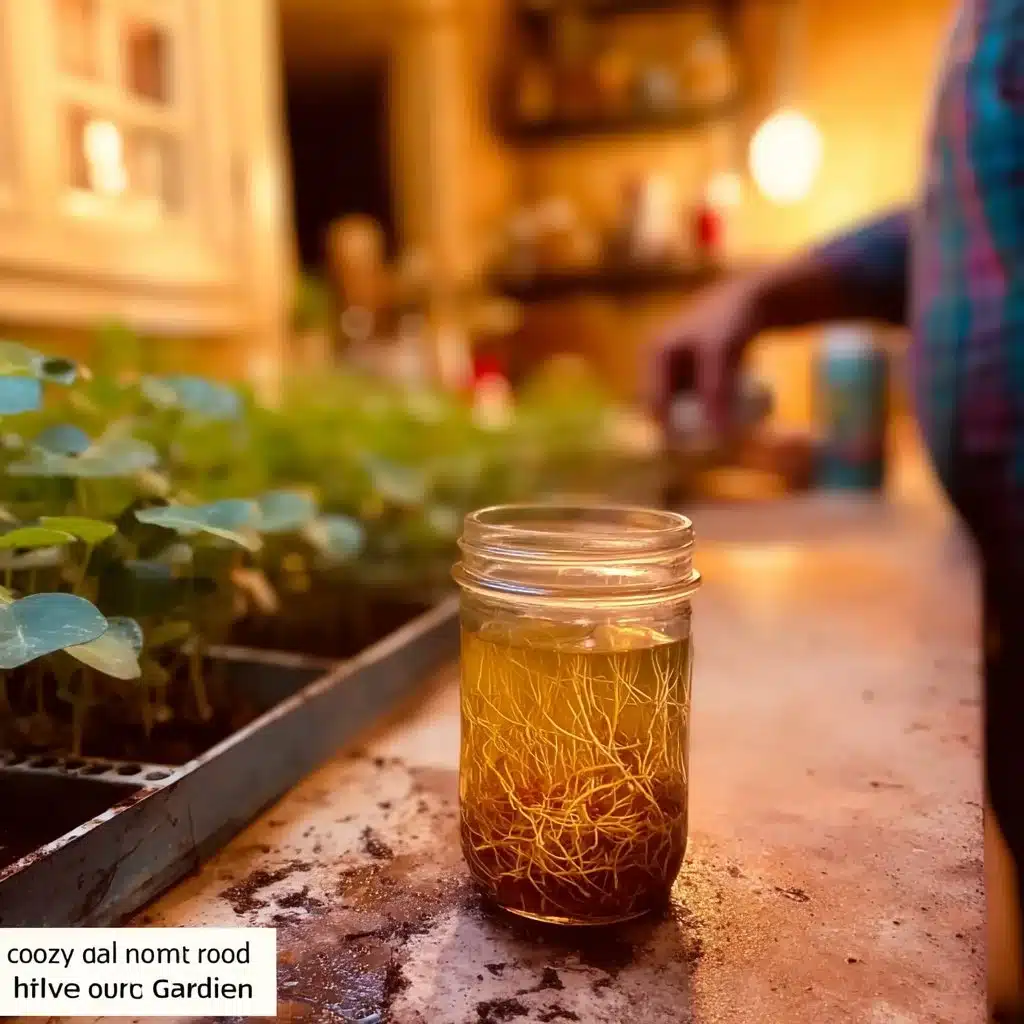
To ensure the best results with your homemade rooting agent, follow some best practices. First, always start with clean tools and containers. This precaution helps prevent introducing harmful pathogens to your cuttings. Once you’ve prepared your rooting mixture using honey or any other method, soak the cut ends of your plant cuttings for several hours to saturate them with beneficial compounds.
When applying a powder like cinnamon, ensure that the cut end is adequately coated before planting it in the soil. Avoid using overly mature cuttings as they may struggle to root. Instead, opt for juvenile branches or stems, as they generally have a higher success rate.
Once planted, be sure to keep the soil moist but not soggy. Overly wet conditions can lead to rot. Providing a warm and humid environment can also aid in root development, so consider covering the cuttings with plastic to create a mini greenhouse effect.
how to serve rooting agent
While you don’t “serve” a rooting agent like a dish, the way you utilize it can be compared to plating a meal. The key is to ensure your cuttings have the right environment to thrive after their treatment with the rooting agent. You can plant cuttings in pots or directly into the garden, depending on the plant type and weather conditions.
When plating your cuttings, consider their aesthetic appeal—arranging various plants in a harmonious manner adds beauty to your gardening space. Additionally, adding a few decorative stones or mulch on top of the soil can enhance the overall look while aiding in moisture retention.
Ensure that your rooted cuttings receive plenty of indirect sunlight in the early stages, as harsh sunlight can be too intense for new roots to handle. Balancing light exposure, along with consistent moisture, will ultimately help your rooted cuttings flourish.
Best Homemade Rooting Hormone Methods
how to store rooting agent
If you have leftover rooting solution, storing it correctly can be beneficial. Most homemade rooting agents can be kept in a sealed container in a cool, dark place for a few weeks. However, ensure to use them within a month to maintain effectiveness.
For dry ingredients such as cinnamon or honey, keep them in airtight containers at room temperature. Honey, in particular, has a long shelf life due to its natural preservatives. Be cautious with any mixed solutions, checking for any signs of spoilage before using them on your plants.
When preparing cuttings for storage, keep them moist without causing saturation. A zip-lock bag with a damp paper towel can be a good temporary holding method until you’re ready to plant them. Just remember that fresh cuttings should be planted as soon as possible for the best chance at success.
tips to make rooting agent more effective
To heighten the effectiveness of your homemade rooting agent, consider incorporating a few techniques. For example, before applying the rooting solution, create a clean cut at a 45-degree angle on the plant cutting. This increases the surface area for the solution to absorb and helps the cutting take up nutrients better.
Ensure to use a sterile medium for planting your cuttings. A mixture of soil and perlite or vermiculite can provide excellent drainage while retaining moisture. This balance is important as it prevents the roots from becoming waterlogged, which can hinder growth.
Lastly, patience is crucial. Allow time for roots to develop, which may take several weeks. Keeping the environment stable in terms of temperature and humidity will yield the best rooting results, making your efforts worthwhile in the end.
Best Homemade Rooting Hormone Methods
variation
Various plant species may benefit from different homemade rooting agents. For instance, if you’re working with succulent cuttings, try a mix of water and a few drops of dish soap to enhance absorption of nutrients. This method allows for effective rooting, especially in dryer conditions where succulents thrive.
For woody plants, consider using a stronger rooting agent like the willow water mentioned earlier, as it’s more suited to support tougher stems. Another great option is using green tea bags, which contain antioxidants that can stimulate root growth. Soak a tea bag in water for about an hour, then use this mixture to soak your cuttings.
Feel free to experiment with combinations of these methods to find what works best for your specific plants. The world of gardening thrives on creativity and adaptability, so don’t hesitate to customize your approach based on your unique experiences.
Best Homemade Rooting Hormone Methods
FAQs
What is a rooting agent?
A rooting agent is a substance that promotes root development in cuttings, helping them transition from a cutting to a thriving plant.
Can I use household items as a rooting agent?
Yes, many household items like honey, cinnamon, and aloe vera gel serve as effective rooting agents due to their natural properties that enhance root growth.
How long does it take for cuttings to root?
The time it takes for cuttings to root varies by plant species but typically ranges from 2 to 6 weeks. Providing optimal conditions can expedite the process.
Best Homemade Rooting Hormone Methods
Conclusion
Creating a rooting agent at home is a rewarding method that not only saves money but enhances your gardening skills. By utilizing natural ingredients and techniques, you can cultivate healthy plants with ease.
If you’re interested in learning more about other gardening techniques or exploring related resources, consider these articles: Prickly Pear used as a rooting aid?, 404-Houseplant Propagation Need-to-Knows, and Homemade Rooting Hormone – 3 ways. Embrace your gardening journey with confidence, and enjoy watching your plants thrive from your nurturing efforts!
Best Homemade Rooting Hormone Methods
Using a homemade rooting hormone is an affordable and natural way to improve plant propagation and encourage faster root development.
Best Homemade Rooting Hormone Methods
Rooting Agent at Home: Simple & Effective Gardening Technique
- Total Time: 10 minutes
- Yield: Multiple plant cuttings
- Diet: N/A
Description
Learn how to create an effective rooting agent at home using natural ingredients to promote root growth in plant cuttings.
Ingredients
- 2 tablespoons honey
- 1 cup warm water
- Cinnamon powder
- Willow branches
- Aloe vera gel
- Water and dish soap (for succulents)
- Green tea bags (optional)
Instructions
- Mix 2 tablespoons of honey with 1 cup of warm water until dissolved.
- Dip the cut ends of your plant cuttings in honey mixture for several hours.
- Coat the cut end of the cutting in cinnamon powder before planting.
- Soak willow branches in water for 24 hours and use this soak for cuttings.
- Apply aloe vera gel directly to the cut ends for enhanced rooting.
- Keep the soil moist but not soggy after planting cuttings.
- Cover cuttings with plastic to create humidity for better root development.
Notes
Always use clean tools and containers. For better results, utilize fresh ingredients and ensure cuttings are juvenile for higher success rates.
- Prep Time: 10 minutes
- Cook Time: 0 minutes
- Category: Gardening
- Method: Soaking, Dipping
- Cuisine: N/A
Nutrition
- Serving Size: Varies based on number of cuttings
- Calories: 0
- Sugar: 0g
- Sodium: 0mg
- Fat: 0g
- Saturated Fat: 0g
- Unsaturated Fat: 0g
- Trans Fat: 0g
- Carbohydrates: 0g
- Fiber: 0g
- Protein: 0g
- Cholesterol: 0mg