 mamies recipes
introduction
My name is Amilie Bourgoie, and I am passionate about creating meaningful experiences through creativity, dedication, and authenticity. Welcome to my world — a space shaped by purpose, continuous learning, and a genuine desire to share value with others. What began as a personal interest has grown into a long-term commitment to quality, consistency, and personal growth. Today, I want to share with you a classic recipe that brings vibrancy and flavor to the table: Red sauce. You may also find Red sauce useful.
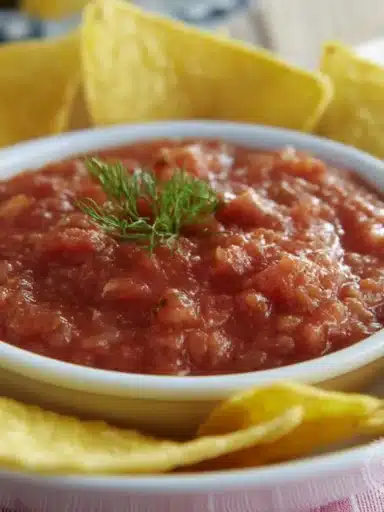
Red sauce, often used as a base in numerous dishes, is not just a simple condiment; it transforms meals with its rich, deep flavors and versatile applications. Whether you’re preparing pasta, tacos, or pizzas, mastering this sauce is essential for any home cook. In this article, you will discover how to make a delicious Red sauce that can elevate your culinary creations. You may also find Red sauce useful.
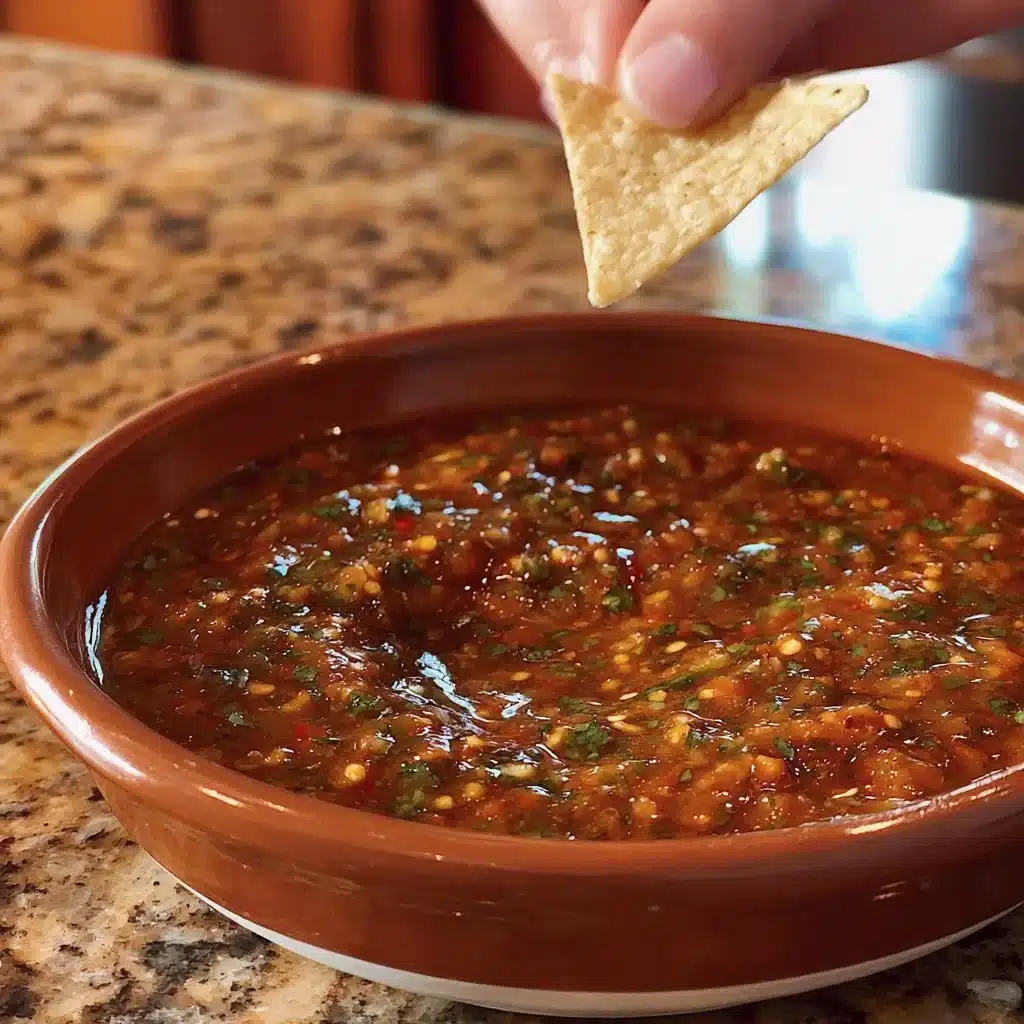
For more recipes follow me on Facebook and Pinterest.
why make this recipe
There are countless reasons to make your own Red sauce at home. First and foremost is the taste—homemade sauce offers a depth of flavor that pre-packaged options often cannot match. Additionally, it’s incredibly easy to make with a few common ingredients, and it’s a versatile component in numerous meals. You can use this sauce for pasta, as a base for chili, or even as a topping for grilled meats.
People often search for a good Red sauce recipe because they want control over the ingredients. You can customize it to your taste by adjusting the level of spice or sweetness, and the freshness of the ingredients makes a considerable difference. Not to mention, making Red sauce at home can save you money over store-bought alternatives. For those who love to experiment, this sauce serves as a fantastic foundation for many variations and add-ins.
how to make Red sauce
Making Red sauce begins with selecting quality ingredients. Start by gathering ripe tomatoes, garlic, onion, olive oil, and herbs. For a smoother texture, you could blend the sauce after cooking, or for a chunkier version, allow it to simmer longer. Heat olive oil in a pan over medium heat and sauté minced garlic and chopped onions until they are translucent and fragrant.
Next, add your tomatoes—either canned or fresh. If using fresh tomatoes, blanch them first to remove the skins. Incorporate seasonings such as salt, pepper, and herbs like basil and oregano. Let the sauce simmer for at least 30 minutes to allow the flavors to meld, stirring occasionally. This process is where a lot of home cooks make mistakes; be sure to taste and adjust seasonings as needed.
If you’re looking for additional inspiration, check out this delicious pasta sauce recipe that utilizes similar ingredients but adds a unique twist.
Ingredients
The ingredients for Red sauce are quite simple yet crucial to achieving the best flavor. Fresh tomatoes, preferably ripe and in-season, are the star of this recipe. If fresh tomatoes are unavailable, good-quality canned tomatoes can work just as well. Garlic and onions serve as the aromatic foundation, while olive oil brings richness.
You can also experiment with various herbs—basil, oregano, and parsley are common choices. Furthermore, red pepper flakes can be added for a hint of spice. If you want to substitute ingredients, using chard or spinach can provide nutritional value, while bell peppers can add sweetness.
Directions
To achieve perfect results, it’s essential to follow best practices. Start by heating the oil before adding the aromatics and ensure your ingredients are prepped and measured to streamline the cooking process. Simmering the sauce gently allows the flavors to develop and intensify. Always taste before serving, as adjusting the seasoning at this stage can make or break your dish.
how to serve Red sauce
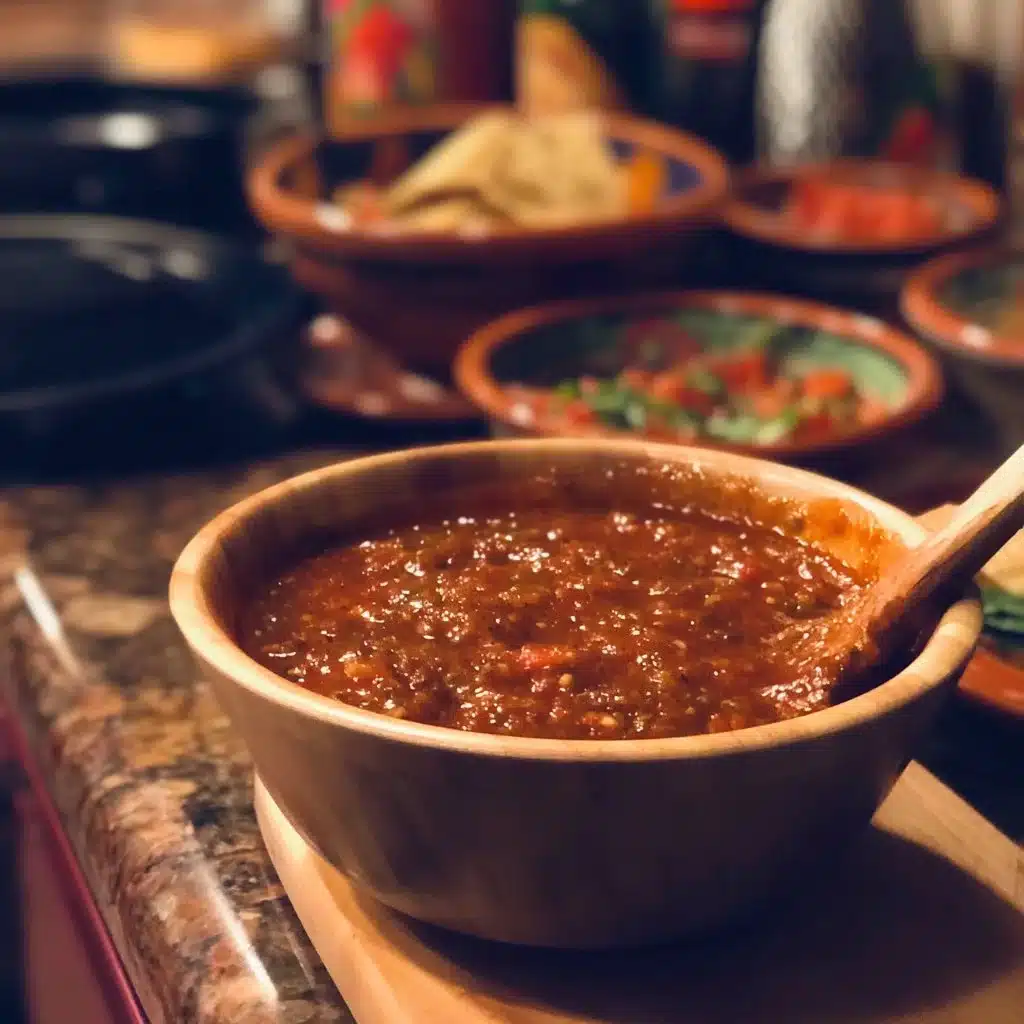
There are many ways to serve Red sauce, making it a fantastic companion for various dishes. Pair it with pasta, using it as a topping, or as a dipping sauce for breadsticks. It also works well over grilled chicken or fish. For a hearty meal, consider using it as a base for baked casseroles.
Another delicious option is to use it on pizza—spread the sauce over dough and top with your choice of cheese and toppings for a homemade pizza night! The balance of acidity and sweetness from the sauce complements the texture and flavors of pasta and proteins beautifully.
how to store Red sauce
For those who prepare Red sauce in bulk, storing it correctly ensures freshness for future meals. You can refrigerate the sauce in an airtight container for up to a week. If you’d like to keep it longer, consider freezing portions in freezer-safe containers or bags. The sauce can last up to three months in the freezer.
When reheating, do so on low heat to prevent breaking down the sauce’s texture. If you notice it’s thickened too much in the fridge or freezer, add a bit of water or broth during reheating to bring it back to the right consistency.
tips to make Red sauce
To elevate your Red sauce further, consider using a mix of different tomatoes, such as San Marzano for sweetness and Roma for acidity. Adding a splash of red wine can deepen the flavor profile. Cooking the sauce longer at a low temperature can also help develop a richer taste.
Lastly, if you’re cooking for a large crowd, consider making several batches and experimenting with different herbs and spices. This approach allows you to tailor the sauce to each meal or preference, making it a staple in your kitchen.
variation
There are plenty of variations to try with your Red sauce. Adding roasted garlic can create a unique flavor, while incorporating vegetables like bell peppers or zucchini can boost the nutritional value. A spicier take can be achieved by incorporating jalapeños or other hot peppers.
If you’re looking for a creamier option, try blending in some heavy cream or mascarpone cheese towards the end of cooking for a sundried tomato cream sauce version. Each of these variations maintains the core of Red sauce while adding an exciting twist.
FAQs
What types of tomatoes are best for making Red sauce?
Using tomatoes that are ripe, such as Roma or San Marzano, works best for creating a flavorful sauce. Canned tomatoes can also be effective if fresh ones aren’t available.
Can I make Red sauce without garlic?
While garlic is a traditional ingredient, you can omit it if you prefer. The sauce will still taste great without it, or you can substitute with other aromatics like shallots.
How long can I store homemade Red sauce?
Homemade Red sauce can last up to one week in the refrigerator or up to three months in the freezer if stored properly.
Conclusion
In conclusion, mastering the art of Red sauce can profoundly enhance your cooking repertoire. It’s a versatile, delicious sauce that brings joy to many meals. If you’re looking for more inspiration in making this sauce or different versions, check out these additional resources on sauces: Salsa Roja Recipe – Mexican Red Table Sauce, Salsa Roja – Authentic Homemade Salsa, and Jalapeño Salsa Roja – The Fresh Chile Company. With practice, your Red sauce will undoubtedly become a household favorite, perfect for various occasions. Enjoy your culinary journey!
- Rank Math SEO Title (H1)
- Red Sauce Recipe: Elevate Your Meals with Homemade Flavor
- SEO Title (Expert)
- Red Sauce Recipe: 5 Simple Tips for Delicious Flavor

Red Sauce
- Total Time: 40 minutes
- Yield: 4 servings 1x
- Diet: Vegetarian
Description
A classic homemade Red sauce that elevates various dishes with its vibrant flavor and versatility.
Ingredients
- 2 lbs ripe tomatoes or 1 can (28 oz) of good-quality canned tomatoes
- 2 tbsp olive oil
- 1 onion, chopped
- 4 cloves garlic, minced
- 1 tsp dried basil
- 1 tsp dried oregano
- Salt to taste
- Pepper to taste
- Red pepper flakes (optional)
Instructions
- Heat olive oil in a pan over medium heat.
- Sauté minced garlic and chopped onions until translucent.
- Add tomatoes, salt, pepper, and herbs to the pan.
- Simmer for at least 30 minutes, stirring occasionally.
- Taste and adjust seasonings as needed.
Notes
For a smoother texture, blend the sauce after cooking. This Red sauce can be used for pasta, grilled meats, or as a pizza base.
- Prep Time: 10 minutes
- Cook Time: 30 minutes
- Category: Sauce
- Method: Simmering
- Cuisine: Italian
Nutrition
- Serving Size: 1 serving
- Calories: 150
- Sugar: 4g
- Sodium: 200mg
- Fat: 8g
- Saturated Fat: 1g
- Unsaturated Fat: 7g
- Trans Fat: 0g
- Carbohydrates: 18g
- Fiber: 2g
- Protein: 3g
- Cholesterol: 0mg