
 mamies recipes
introduction
My name is Amilie Bourgoie, and I am passionate about creating meaningful experiences through creativity, dedication, and authenticity. Welcome to my world — a space shaped by purpose, continuous learning, and a genuine desire to share value with others. Today, I’m excited to introduce you to a delightful and versatile dish: Vegetable Salsa. This flavorful dip is not only a crowd-pleaser but also a great way to consume fresh vegetables. People search for vegetable salsa for its refreshing taste, ease of preparation, and adaptability to any occasion. In this article, you will learn how to make vegetable salsa, the benefits of different ingredients, and creative serving suggestions to elevate this classic recipe. You may also find Vegetable Salsa useful.
For more recipes follow me on Facebook and Pinterest.
why make this recipe
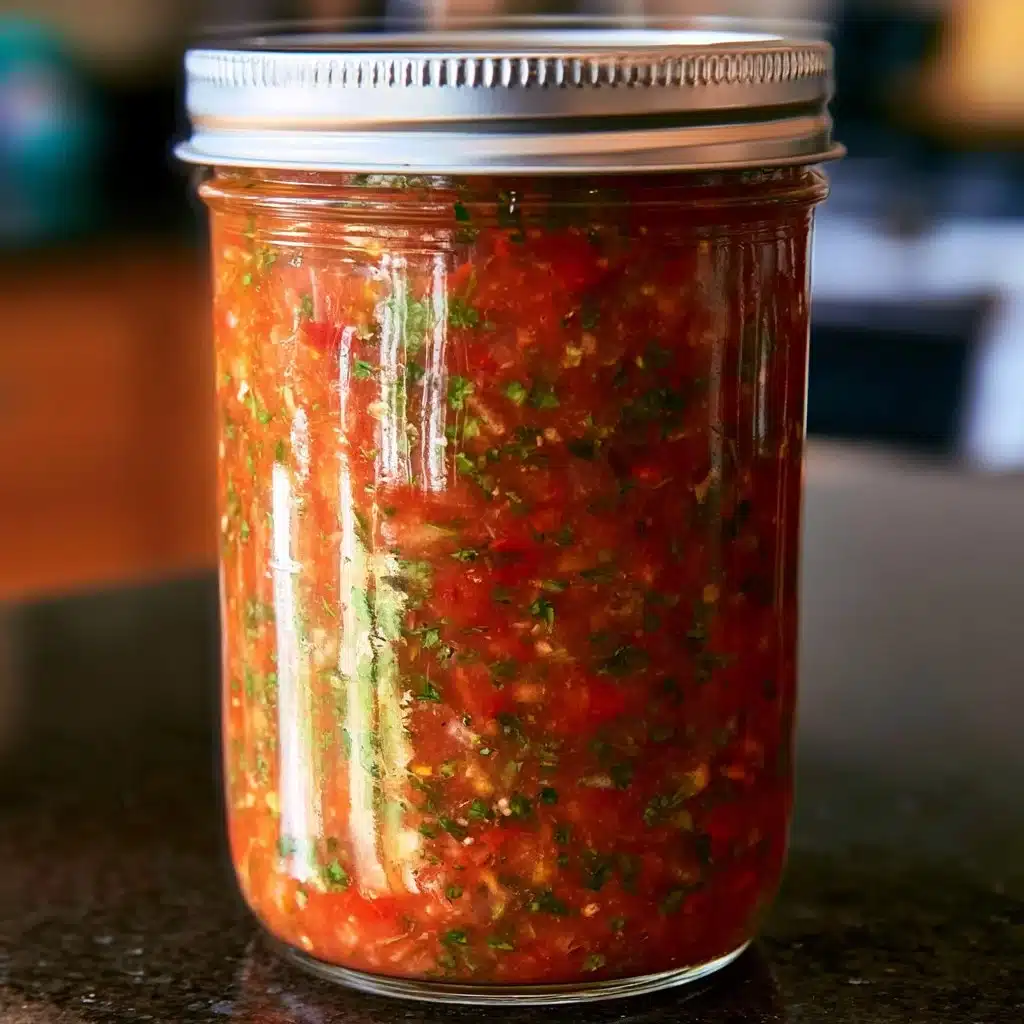
There are countless reasons to include vegetable salsa in your culinary repertoire. First and foremost, its taste is a delightful marriage of fresh vegetables that can suit any palate. The crunchiness of fresh tomatoes, the zest of yellow chilies, and the aromatic quality of cilantro come together to create a vibrant flavor profile.
Moreover, vegetable salsa is incredibly easy to prepare. You don’t need advanced cooking skills; just a few minutes and some fresh ingredients, and it’s ready to serve. This makes it a fantastic option for busy individuals who still want to enjoy healthy snacks. Additionally, the versatility of vegetable salsa means it can be served as a dip with tortilla chips or as a topping for grilled meats, tacos, or salads.
You can also customize your salsa to fit your preferences or dietary needs. If your guests have specific tastes or allergies, the recipe can easily be modified. For insights into other fresh recipe ideas, you might find helpful suggestions like this tomato salsa recipe that utilizes fresh ingredients.
how to make vegetable salsa
Making vegetable salsa is a straightforward process that requires minimal ingredients and effort. Start by gathering your fresh produce. The key is quality ingredients, as this will elevate the overall taste of the salsa. Begin by dicing ripe, juicy tomatoes and placing them in a large mixing bowl.
Next, finely chop a bunch of fresh cilantro and add it to the bowl. The freshness of cilantro not only enhances the taste but also adds a splash of color. After that, prepare your yellow chili peppers. Remove their stems, slice them, and place them into the mixture. The chilies will introduce a delightful zing; however, you can adjust the heat by varying the number of peppers used.
Following that, chop some green onions and mix them into your salsa. The green onions add a mild onion flavor that complements the other ingredients beautifully. Finally, sprinkle garlic salt over the mixture to taste. Not only does this ingredient bring the flavors together, but it also enhances the freshness of the vegetables. Stir all the ingredients until they are well combined, allowing the flavors to meld for a few moments before serving.
To perfect your vegetable salsa, remember to let it sit for a short time before serving. This encourages the flavors to develop. It’s also wise to avoid over-mixing, as this can lead to a mushy texture.
Ingredients
- 1 bunch of whole tomatoes
- 1 bunch of cilantro
- 3 yellow chili peppers
- 1 bunch of green onions
- Garlic salt
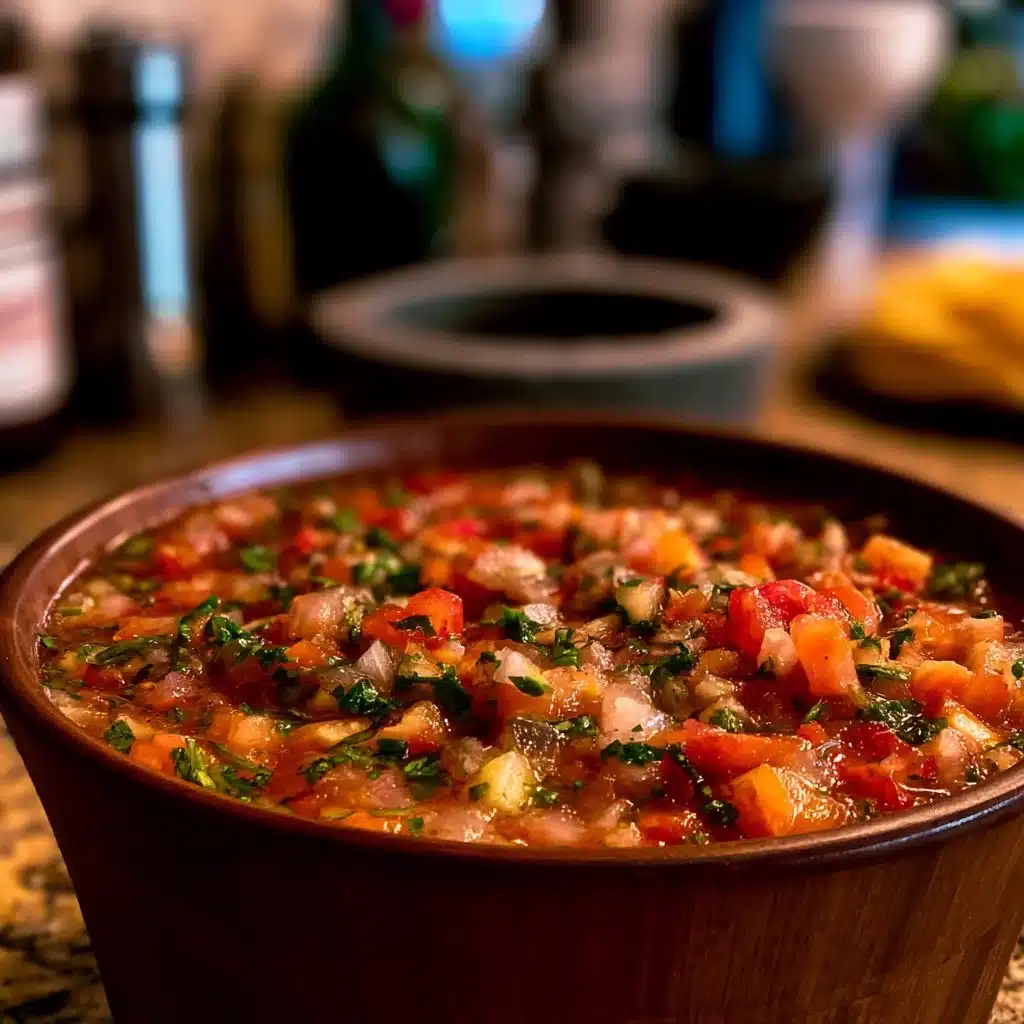
The ingredients for vegetable salsa are simple yet powerful. Each component plays a vital role in ensuring the dish is flavorful and vibrant. The tomatoes provide a juicy base and serve as the main ingredient. When selecting tomatoes, opt for ripe ones to ensure the best flavor.
Fresh cilantro adds a unique brightness and aromatic quality that is essential for a classic salsa. Yellow chili peppers contribute a mild heat, but you can swap them out for a different type of pepper based on your spice preference. Green onions contribute a crunchy texture and subtle onion flavor, perfectly balancing the other flavors.
As you prepare this dish, be mindful of the quality of your vegetables. Using fresh ingredients will yield the best results. You could also explore alternative salsa recipes to expand your culinary experience.
Directions
- Dice the whole tomatoes and place them in a mixing bowl.
- Finely chop the cilantro and add it to the bowl.
- Remove the stems from the yellow chili peppers, slice them, and add to the bowl.
- Chop the green onions and mix them into the salsa.
- Sprinkle garlic salt over the mixture to taste.
- Stir all ingredients together until well combined.
- Let it sit for a few minutes to allow the flavors to meld.
- Serve with tortilla chips or as a topping for your favorite dishes.
These directions offer a clear path for crafting your vegetable salsa. To ensure you achieve the best results, focus on the timing. Allow your salsa to chill for a bit before serving. This enhances its flavor and texture.
how to serve vegetable salsa
Vegetable salsa shines as a versatile dish that pairs beautifully with various foods. Traditionally, it’s served with tortilla chips as a flavorful dip. However, you can elevate your meal by serving salsa over grilled chicken, tacos, or fish. The vibrant flavors of the salsa enhance both taste and presentation.
Additionally, vegetable salsa can be used as a fresh topping for baked potatoes, salads, or nachos. Its crunchy texture and refreshing taste complement many dishes, making it ideal for casual gatherings or formal dinners alike. Don’t hesitate to experiment with different serving styles; the possibilities are endless.
how to store vegetable salsa
Proper storage is crucial to maintaining the freshness of vegetable salsa. After preparation, it’s best to refrigerate any leftovers in an airtight container. This allows the salsa to stay fresh for about three to five days.
If you want to keep the salsa for a longer period, consider freezing it. While the texture might slightly change upon thawing, the flavor will still be present. Make sure to store it in a freezer-safe container. When you’re ready to use it, simply thaw in the refrigerator and consume it within a couple of days.
Remember, always practice food safety. If you notice any changes in smell or color, it’s best to discard the salsa.
tips to make vegetable salsa
To elevate your vegetable salsa, consider a few advanced yet straightforward tips. Experiment with additional ingredients like diced bell peppers, jalapeños, or even corn for a unique twist. Each adds a different dimension and can cater to your guests’ palates.
Using a combination of tomatoes—both red and yellow—can enhance the visual appeal and broaden the flavor profile. Additionally, let your salsa sit for at least 30 minutes before serving; this allows the flavors to deepen beautifully.
For a zesty kick, add a splash of lime juice or a hint of vinegar. This will brighten up the other flavors and make your salsa stand out.
variation
Vegetable salsa can easily be adapted to suit your flavor preferences. For instance, try adding diced avocados for a creamier texture and richer taste. If you’re a fan of fruits, incorporating diced mango or pineapple can add a sweet twist that pairs excellently with savory dishes.
Another variation is to create a roasted vegetable salsa by roasting the tomatoes and peppers before combining them with the other ingredients. This process will infuse a deeper, smoky flavor into the salsa.
Explore different herb combinations, like adding fresh basil or mint, to switch up the flavor even more. Each variation opens up an exciting new take on this classic recipe.
FAQs
1. Can I use canned tomatoes in vegetable salsa?
While fresh tomatoes are recommended for the best flavor, you can use canned tomatoes in a pinch. Just drain excess liquid to avoid a watery salsa.
2. What can I serve with vegetable salsa?
Vegetable salsa pairs wonderfully with tortilla chips, tacos, grilled meats, or as a condiment for various dishes like scrambled eggs or roasted vegetables.
3. How spicy is vegetable salsa?
The spice level can vary based on the type and amount of chili peppers used. Adjust the quantity to suit your taste preferences and spice tolerance.
Conclusion
In conclusion, vegetable salsa is a fresh, vibrant dish that can enhance any meal or gathering. The combination of ripe tomatoes, zesty chilies, and aromatic herbs provides a delightful dip or topping that is easy to prepare and customize. If you’re looking for more inspiration, you can explore the best fresh veggie salsa recipe, discover 22 fresh fruit and veggie salsa recipes, or try the Mayo Clinic’s vegetable salsa recipe. Enjoy your culinary journey with this delightful dish!
Rank Math SEO Title (H1)
Vegetable Salsa Recipe – Easy, Fresh, and Delicious
SEO Title (Expert)
Vegetable Salsa: 7 Easy Tips for the Perfect Flavor
Vegetable Salsa
- Total Time: 10 minutes
- Yield: 4 servings 1x
- Diet: Vegetarian
Description
A refreshing and versatile vegetable salsa perfect for any occasion.
Ingredients
- 1 bunch of whole tomatoes
- 1 bunch of cilantro
- 3 yellow chili peppers
- 1 bunch of green onions
- Garlic salt
Instructions
- Dice the whole tomatoes and place them in a mixing bowl.
- Finely chop the cilantro and add it to the bowl.
- Remove the stems from the yellow chili peppers, slice them, and add to the bowl.
- Chop the green onions and mix them into the salsa.
- Sprinkle garlic salt over the mixture to taste.
- Stir all ingredients together until well combined.
- Let it sit for a few minutes to allow the flavors to meld.
- Serve with tortilla chips or as a topping for your favorite dishes.
Notes
For best flavor, let the salsa chill for at least 30 minutes before serving.
- Prep Time: 10 minutes
- Cook Time: 0 minutes
- Category: Appetizer
- Method: Mixing
- Cuisine: Mexican
Nutrition
- Serving Size: 1 serving
- Calories: 100
- Sugar: 3g
- Sodium: 150mg
- Fat: 1g
- Saturated Fat: 0g
- Unsaturated Fat: 1g
- Trans Fat: 0g
- Carbohydrates: 20g
- Fiber: 3g
- Protein: 3g
- Cholesterol: 0mg