 mamies recipes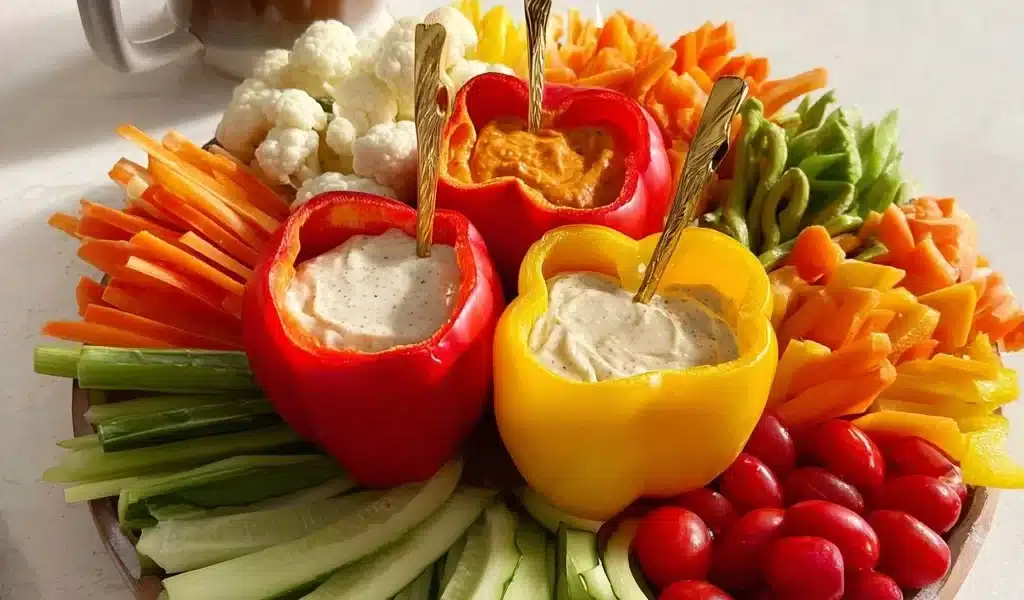
introduction
My name is Amilie Bourgoie, and I am passionate about creating meaningful experiences through creativity, dedication, and authenticity. Welcome to my world—a space shaped by purpose, continuous learning, and a genuine desire to share value with others. What began as a personal interest has grown into a long-term commitment to quality, consistency, and personal growth. Today, I want to share with you a joyfully colorful and nutritious assembly you can create at home: veggie board inspiration. You may also find Veggie board inspiration useful.
A veggie board, often called a crudité platter, showcases a variety of fresh vegetables along with dips, adding vibrant colors and flavors to any gathering. With increasing interest in plant-based diets, many people search for inspiring ideas to elevate their veggie presentations. In this article, you’ll learn about the ease of creating your own veggie board, various ingredient choices, and tips that will ensure your board is a stunning hit at any occasion.
For more recipes, follow me on Facebook and Pinterest.
Table of Contents
Table of Contents
why make this recipe
Creating a veggie board is an excellent idea for numerous reasons. First and foremost, it is a feast for the eyes, as the assortment of colors makes it visually appealing. Additionally, the combination of flavors and textures keeps it exciting and delicious. You can customize your board based on seasonal ingredients, personal preferences, or dietary restrictions, giving every guest something they will enjoy.
Another significant benefit of a veggie board is its simplicity. It requires minimal cooking, making it easier to prepare when hosting unexpected guests or preparing for family gatherings. Plus, veggies offer vital nutrients that contribute to a balanced diet. This means you can indulge in tasty finds while nourishing yourself and your loved ones.
When considering when to make veggie boards, they shine during parties, casual gatherings, or even as a charming centerpiece for family meals. For inspiration on engaging presentations, check out different veggie platter ideas that elevate your serving game.
how to make veggie board inspiration
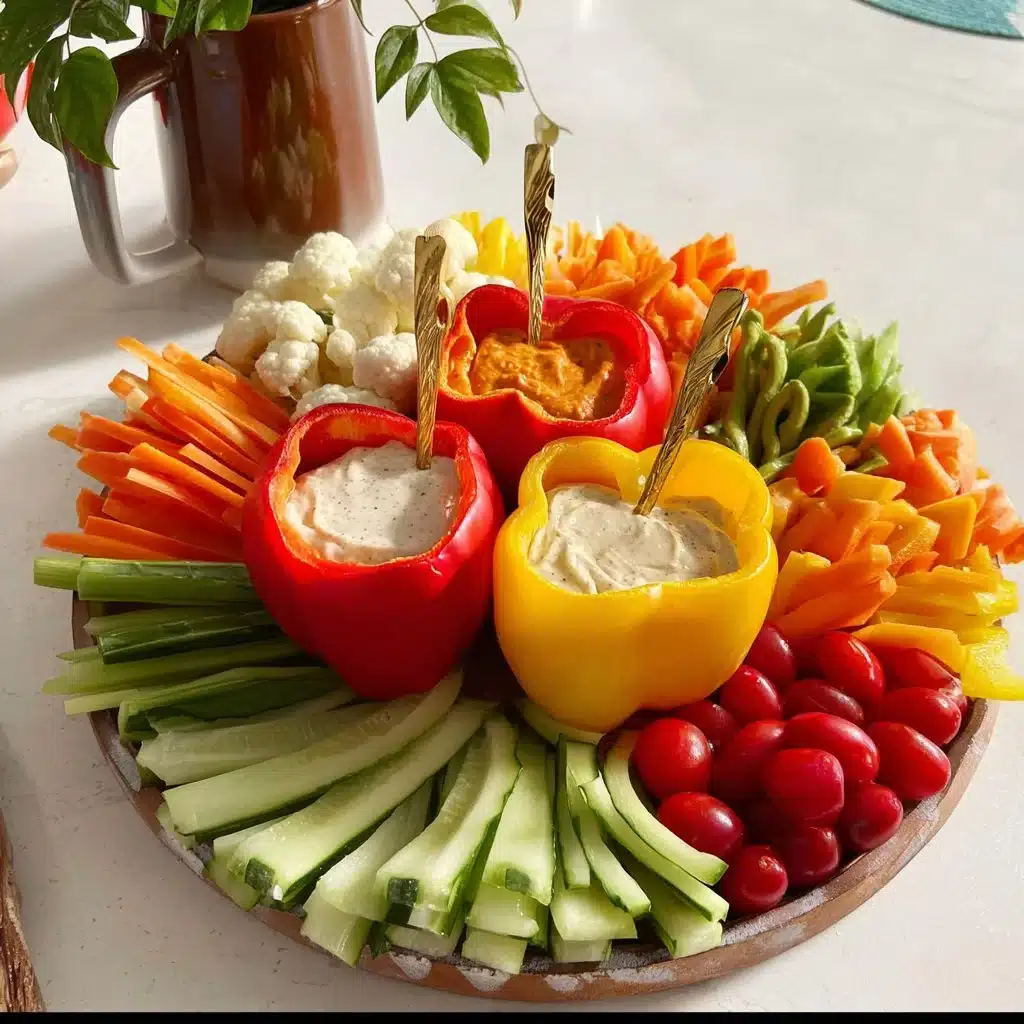
Creating your veggie board is a straightforward process that is as much about arrangement as it is about the ingredients. First, select a large, flat surface—such as a wooden board or a big platter—where you can gather your fruits and vegetables. The presentation enhances enjoyment. Start with your standout items: fresh, seasonal vegetables such as carrots, bell peppers, cucumbers, and cherry tomatoes.
While arranging, think about varying textures and colors; place the crispest veggies next to softer ones for visual contrast. You can also include a selection of leafy greens as a base, allowing the brighter colors to pop. Consider layering, grouping certain veggies in clusters for that professional look.
Adding dips helps to enhance the flavors of your veggies and makes the board more inviting. Classic choices include hummus, ranch dressing, and guacamole. Emphasize texture by incorporating crispy crackers or grains, and don’t forget to include small bowls for dips to prevent mess.
As you prepare, be mindful of timing. The freshness of your vegetables matters. If possible, prep the night before and store the veggies in an airtight container, or refresh them with cold water until you’re ready to assemble. This also extends the shelf life of your ingredients. If you’d like to explore more techniques for effortless assembly, check out this detailed guide on creating a veggie board.
Ingredients
The main ingredients for a veggie board typically include an array of fresh vegetables such as cucumbers, carrots, radishes, and bell peppers. These vegetables provide crunch and color, adding delightful contrasts to the dish. You may also want to include fresh herbs like parsley or dill to add aroma and flavor.
When selecting ingredients, focus on their freshness. Choose vibrant produce that feels firm to start. Don’t hesitate to swap ingredients based on what’s in season or available. For example, artichokes or asparagus could serve as exciting alternatives. Fresh dips like tzatziki or roasted red pepper can also enhance the experience. If you’re interested in delicious dressing ideas, taking a look at various dip recipes available can make the planning phase easier.
Directions
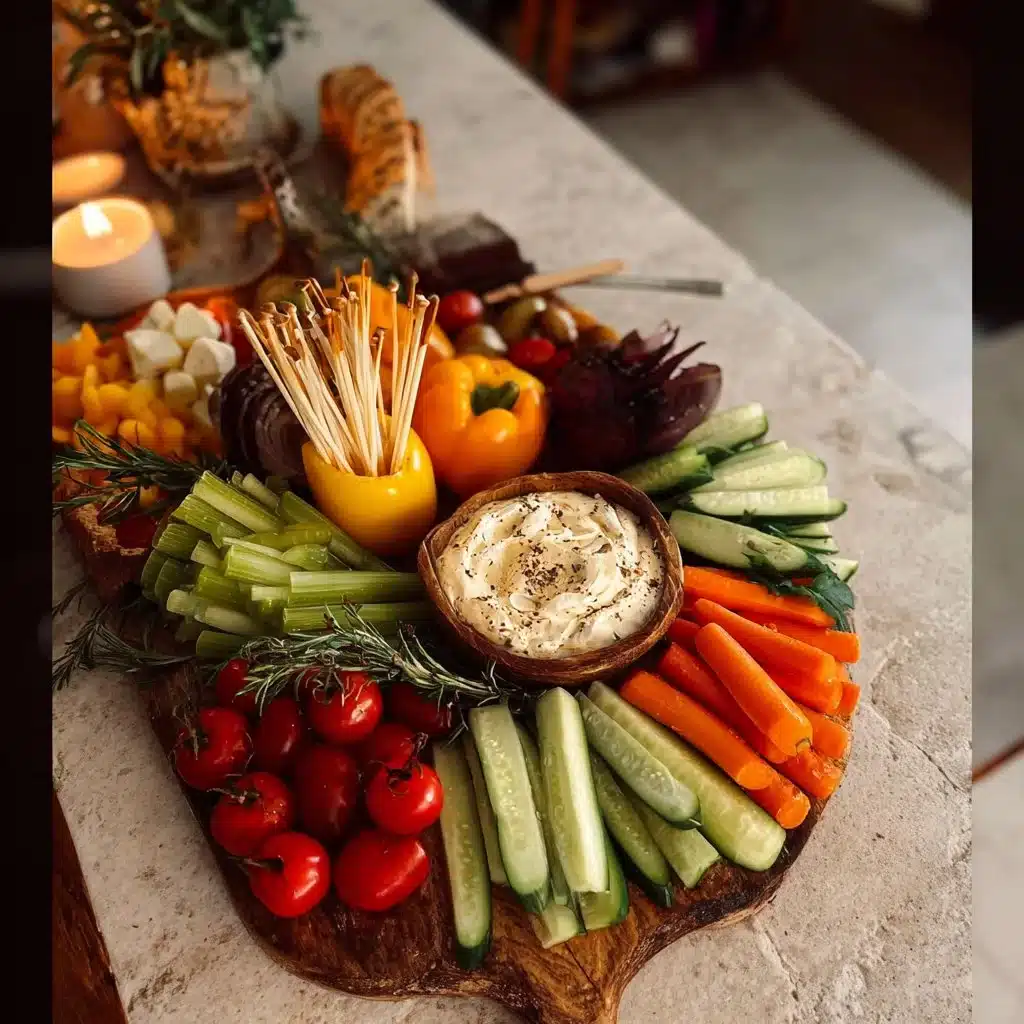
To ensure your veggie board is both beautiful and delicious, start by washing all your vegetables thoroughly. Once cleaned, cut them into bite-sized pieces to facilitate easy dipping. Arrange them on your board in an artistic, thoughtful manner. Make use of color variation, placing similar colors apart to create a balanced look.
After you’ve arranged the veggies, create small wells in between for your dips, filling these with your selected toppings. This ensures your board has both form and function while encouraging guests to explore all the flavors you’ve crafted.
To enhance the overall experience, serve your veggie board freshly made; flavors are best when at their peak moments. Experimenting with layering and grouping adds a personal touch that reflects your aesthetic sense.
how to serve veggie board inspiration
When it comes to serving your veggie board, presentation plays a crucial role. As it is a visual feast, placing it at the center of your dining table allows guests to admire it from all angles. Serve it alongside an assortment of crackers or breadsticks to give a variety of textures that complement the fresh veggies.
Pair your veggie board with light beverages, such as sparkling water or herbal teas, to create a casual atmosphere. If you’re unsure about sauces to serve alongside the board, consider providing various options, such as balsamic glaze, pesto, or nut-based dips. These add a depth of flavor that can elevate the entire experience.
Serving varied flavors and textures simultaneously provides a balanced culinary experience. This way, guests can create their exciting combinations, enjoying the diversity of options available.
how to store veggie board inspiration
Proper storage of your veggie board can extend its freshness. If there are any leftovers, swiftly place vegetables in airtight containers—a sound tip to maintain their vigor. Cover any uncovered dips to prevent drying out. If you have veggies that can be stored separately, separate them to help reduce any moisture that could lead to spoilage.
Most cut vegetables stay fresh in the refrigerator for 2 to 3 days. However, note that some vegetables may lose crunch over time. You can also freeze some components but ensure they’re suitable for freezing before proceeding, as this method requires careful consideration of texture pre-and post-thawing.
Food safety matters; consuming fresh produce helps to prevent health mishaps. Always check for any signs of spoilage before serving leftovers.
tips to make veggie board inspiration
To elevate your veggie board to another level, consider incorporating a variety of textures, colors, and flavors. For instance, mix raw vegetables with blanched options, which will brighten flavors while providing a tender bite.
Another great tip is to add a few unexpected elements, such as olives, nuts, or cheese, for a unique twist. Incorporating colorful edible flowers can also brighten the board up, enhancing its beauty and appeal.
Don’t shy away from experimenting! The joy of a veggie board lies in its adaptability. Consider changing your dips each time you prepare a board, perhaps even trying homemade versions for a personal touch. Explore creative garnishing with fresh herbs for an aromatic finish. For more advanced tips on veggie boards, investigating unique serving ideas can spark your creative process.
variation (if any)
While the classic veggie board is always a hit, don’t hesitate to get creative with variations. For instance, consider a Mediterranean theme by including olives, roasted peppers, and a variety of cheeses. Alternatively, a southwestern influence could incorporate corn, jalapeños, and spicy dips like chipotle hummus.
You can even create a seasonal board that incorporates summer fruits such as strawberries and peaches or winter hardy vegetables such as Brussels sprouts and beets. Each season presents unique opportunities to showcase the best produce available.
Mixing colors with a variety of platter sizes stimulates both the eye and the palate. The possibilities are endless—making each platter a unique representation of your personal taste!
FAQs
What types of vegetables should I include in a veggie board?
Choose a variety of colorful and crunchy vegetables, such as carrots, cucumbers, bell peppers, and cherry tomatoes. Seasonal veggies are always a great choice for freshness.
How can I make my veggie board more appealing?
Focus on color, texture, and grouping in clusters to create an inviting presentation. Adding dips and garnishes like herbs can beautify the board.
Can I prepare a veggie board in advance?
Yes, you can prepare the vegetables a day ahead and store them in an airtight container, but wait until just before serving to arrange them on the board for the freshest look.
Conclusion
Creating a veggie board is a delightful way to showcase the abundance of fresh produce while offering a visually stunning and nutritious dish. By incorporating seasonal veggies, various dips, and unique ingredients, your board can be both appealing and satisfying. Don’t forget to check out more creative ideas, such as the elegant veggie tray ideas, or learn how to build an epic vegetarian charcuterie board. For essential tips on successful veggie boards, visit 4 tips for veggie boards that don’t suck.
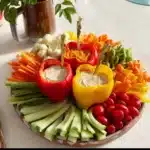
Veggie Board Inspiration: A Vibrant and Healthy Gathering
- Total Time: 15 minutes
- Yield: 6 servings
- Diet: Vegan
Description
A joyfully colorful and nutritious veggie board perfect for any gathering, showcasing a variety of fresh vegetables and dips.
Ingredients
- Cucumbers
- Carrots
- Radishes
- Bell Peppers
- Fresh Herbs (such as parsley or dill)
- Dips (hummus, ranch dressing, guacamole, tzatziki, roasted red pepper)
- Crackers or Breadsticks
Instructions
- Wash all your vegetables thoroughly.
- Cut them into bite-sized pieces.
- Arrange them artistically on your board.
- Create small wells for your dips.
- Serve freshly made for the best flavor.
Notes
Incorporate a variety of textures and colors, and feel free to swap ingredients based on what’s seasonal and available.
- Prep Time: 15 minutes
- Cook Time: 0 minutes
- Category: Appetizer
- Method: No Cooking
- Cuisine: International
Nutrition
- Serving Size: 1 serving
- Calories: 200
- Sugar: 4g
- Sodium: 250mg
- Fat: 10g
- Saturated Fat: 1g
- Unsaturated Fat: 8g
- Trans Fat: 0g
- Carbohydrates: 25g
- Fiber: 5g
- Protein: 4g
- Cholesterol: 0mg